
Resources
Propane Safety at Home
Know how to recognize a possible propane leak, respond to an emergency, and care for your equipment. If you suspect a leak, leave the area immediately and call from a safe location away from the leak.
Recognize a Possible Leak
Know What Propane Smells Like
Learn the Warning Signs
Propane has an added odor often compared to rotten eggs or a skunk. Do not rely on smell alone: odor may be difficult to detect. Treat a propane detector alarm or suspected leak as an emergency, even without an odor.
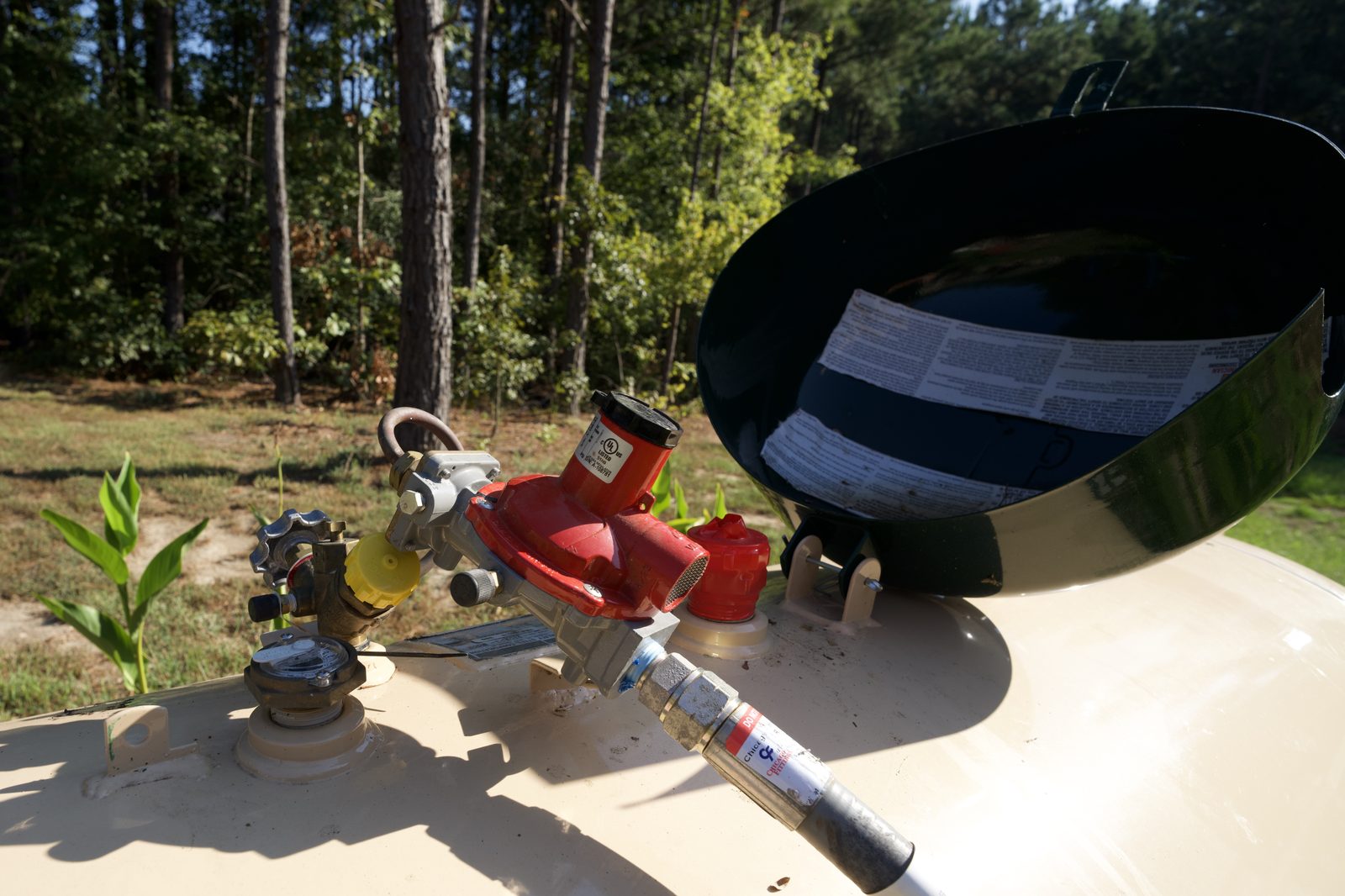
Act Immediately If You Suspect a Leak
What to Do If You Smell Propane
Leave the building or affected area immediately. From a safe location, contact your propane supplier, 911, or the fire department. Do not stay to investigate or attempt repairs.
Leave the Area Immediately
Get everyone out of the building and away from the suspected leak. Do not remain inside to find the source, gather belongings, or investigate an alarm. Move to a safe location before making any calls.
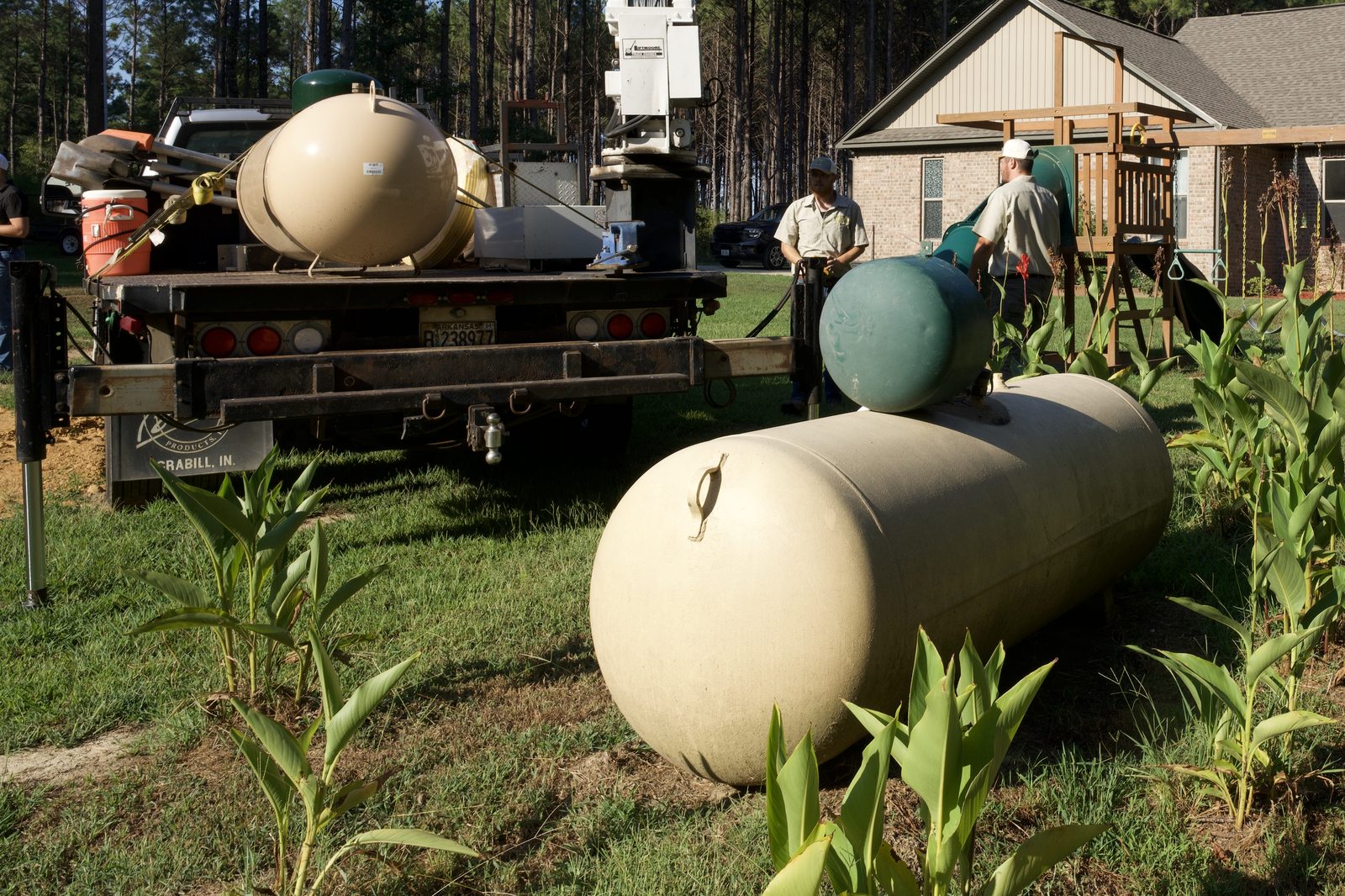
Avoid Flames and Sparks
Do not operate lights, appliances, electrical switches, or phones in the affected area. Avoid smoking, vaping, and open flames. A spark can ignite leaking gas, so leave without using anything that could create an ignition source.
Shut Off Gas Only If Safe
Close the tank’s main supply valve only if you can do so safely. Do not approach a tank where you suspect a leak, and do not delay leaving the area to reach the valve.
Call From a Safe Location
Once safely away from the suspected leak, call Ozark Mountain Propane at 800-858-2552. If you cannot reach us, call 911 or the fire department. Do not use a phone while still in the affected area.
Have the System Checked
Your entire propane system must be checked for leaks by your propane supplier or a qualified professional before appliances are used again. Follow their instructions for restoring service rather than attempting to restart the system yourself.
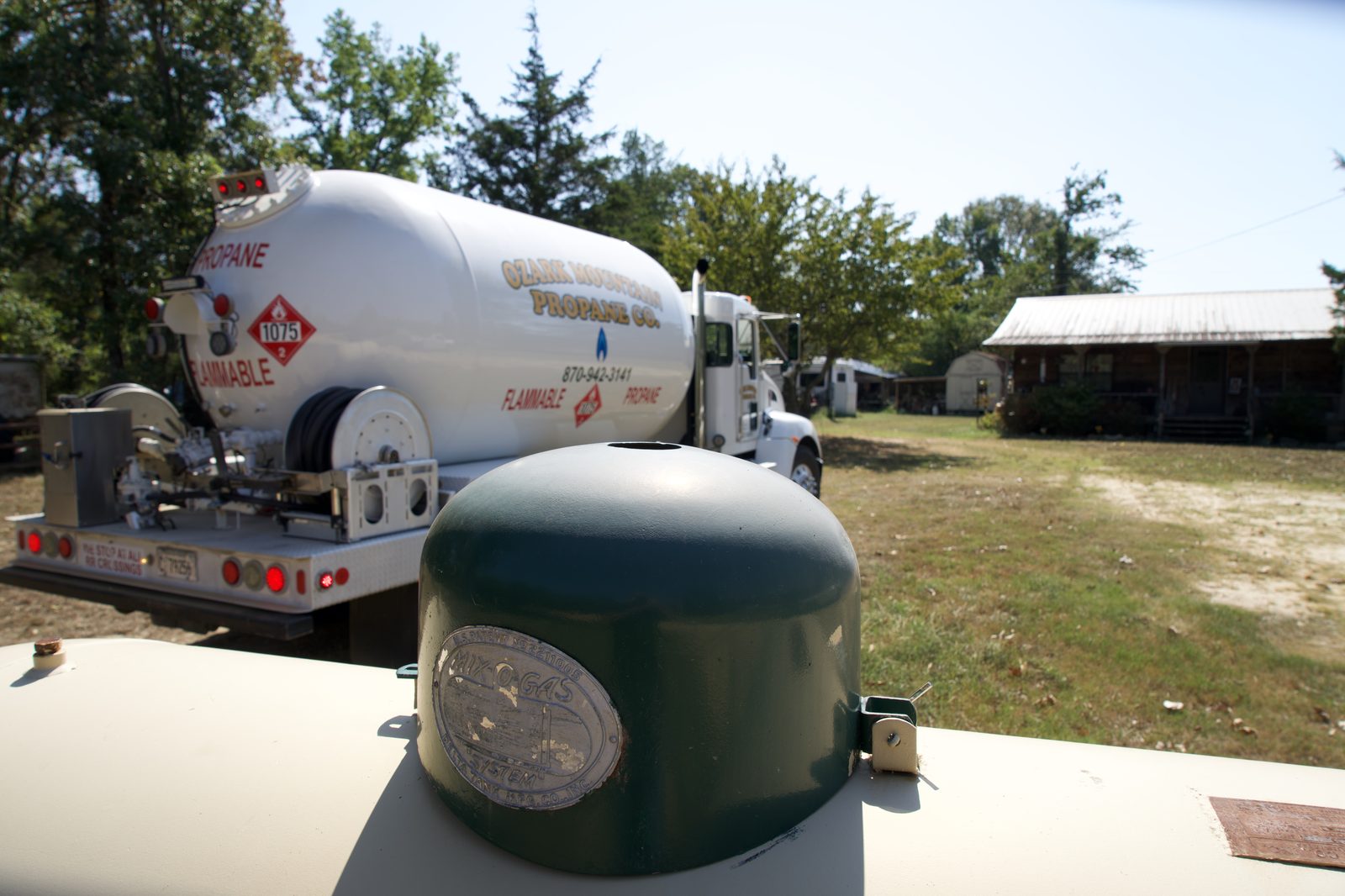
Stay Away Until Cleared
Do not return to the building or affected area until your propane supplier, an emergency responder, or a qualified professional confirms it is safe. A fading odor does not mean the leak or danger has ended.
Prevent Carbon Monoxide Exposure
Never use a grill, oven, or outdoor heater to heat your home. Install carbon monoxide alarms on every level according to their instructions. If an alarm sounds or exposure is suspected, leave and call 911 from safety.
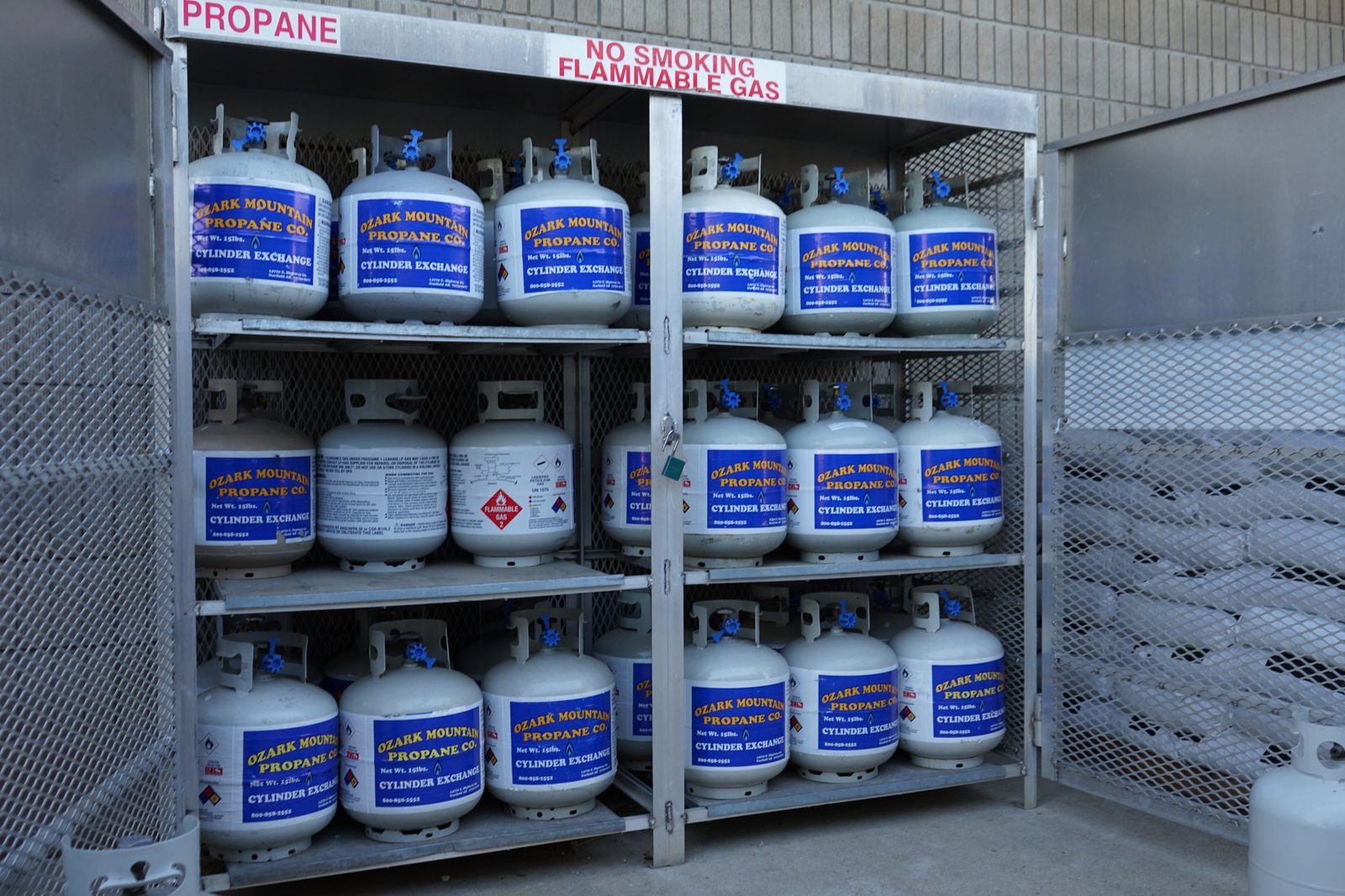
Store Spare Cylinders Outdoors
Store portable propane cylinders upright outdoors, away from heat and ignition sources. Never keep them in a home, garage, basement, shed, or other enclosed space. Follow the cylinder and appliance manufacturer’s instructions for storage and use.
Use Qualified Service Professionals
Have a qualified professional install, move, modify, or repair propane equipment and gas connections. Arrange maintenance according to the appliance manufacturer’s schedule. Contact your propane supplier if equipment malfunctions or your gas supply is interrupted.
Propane Safety FAQs
Why Does Propane Smell Like Rotten Eggs?
An odor is added to propane to help you detect a leak. However, you may not always notice it. Treat any suspected leak or propane detector alarm as an emergency and leave the affected area immediately.
Do I Need a Carbon Monoxide Alarm?
Yes. Install a UL-listed carbon monoxide alarm on every level of your home, following the manufacturer’s instructions. A carbon monoxide alarm is different from a propane gas detector; each detects a different hazard.
Can I Store a Spare Cylinder in the Garage?
No. Store portable propane cylinders upright outdoors, away from heat and ignition sources. A garage or shed is an enclosed space, even if it is detached. Follow the cylinder manufacturer’s storage instructions.
What Should I Do If My Tank Runs Empty?
Contact your local office and explain that the tank is empty. A qualified professional must check the system for leaks before restoring gas service. Do not reopen the supply valve or relight appliances yourself.
Have Questions About Your Propane System?
For routine questions, contact your local office to discuss your tank, appliances, or service needs. If you suspect a leak, leave immediately and call from a safe location. Do not use an online form to report an emergency.